MATERIAL AND DESIGN
Freedom, structure and personalisation
Aluminium lies at the heart of Tuxedo Yachting House’s design freedom, shaping the possibilities of every project from the outset.
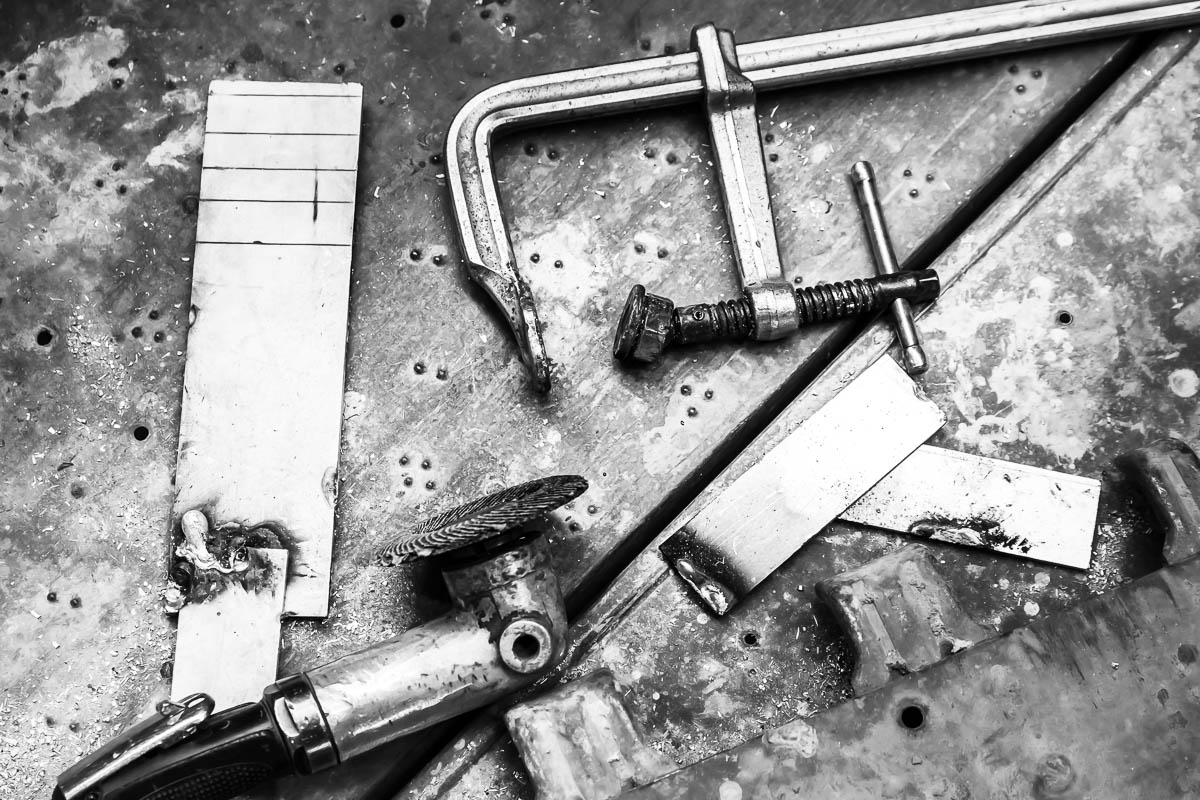
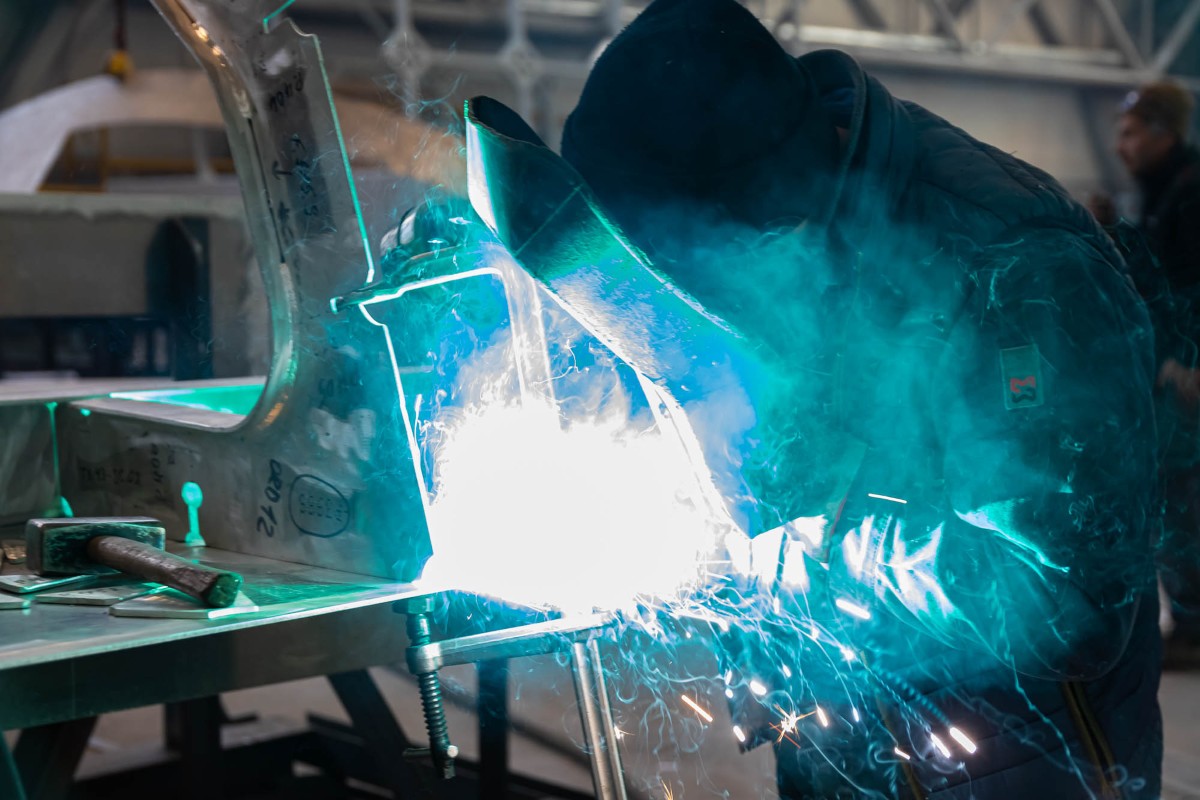
It allows an idea to take physical form and unconventional requirements to become tangible solutions through construction expertise that brings engineering and craftsmanship together.
The absence of moulds allows each hull to be built as a unique project, offering considerable freedom in defining its shape and the possibility of considering modifications even during construction. Aluminium’s structural strength supports this flexibility, providing a solid foundation for the yacht’s development.
The marine-grade alloys used, including 5083, contribute to the strength, reliability and durability required by each project.
Aluminium thus becomes a language of construction that accompanies every stage of the journey, allowing the yacht to evolve alongside the owner’s decisions. This freedom also translates into genuine comfort: spaces, layouts and configurations take shape around the habits and lifestyle of those who experience the sea.
At Tuxedo Yachting House, safety is a fundamental consideration from the outset. The properties of aluminium and the choices made in naval architecture contribute to defining a strong, reliable structure from the earliest design stages.
Thanks to its strength-to-weight ratio, aluminium offers high impact resistance and the ability to deform, absorbing and distributing some of the energy generated by an impact. It is also a non-combustible material, and its structural properties are considered with the hull’s long-term reliability in mind.
In the event of a collision, a suitably engineered structure can encourage localised deformation and distribute energy across a wider area. Its actual response depends on the characteristics of the hull and the conditions of the impact.
Hull lines, together with the lightness of the construction, contribute to the pursuit of stability, control and reliability, including in demanding navigation conditions. These qualities are developed through design and become part of the experience on board.
SAFETY
A structure designed to inspire confidence
PERFORMANCE AND LONGEVITY
The enduring value of continuity
Aluminium’s light weight contributes to the yacht’s overall behaviour. The project’s technical documentation indicates a potential weight reduction of up to 40% compared with equivalent composite constructions, although the actual figure depends on the characteristics of the structures being compared.
Weight reduction, combined with careful hull and propulsion design, can lead to more responsive acceleration, greater fuel efficiency, reduced draught and improved manoeuvrability. The intended result is a dynamic, responsive and balanced yacht that expresses its character at sea.
Aluminium also supports a long-term perspective. The structures are designed for durability, with a service life that the shipyard indicates may potentially extend to 50 years, depending on operating conditions and maintenance.
Marine-grade alloys and specialised manufacturing processes help address the challenges of corrosion and structural fatigue. The absence of the osmosis phenomena associated with fibreglass construction represents a further distinction between the materials.
The ability to carry out targeted maintenance and repairs makes it possible to work on complex components while preserving the structure’s characteristics through appropriate procedures. Structural integrity thus contributes to lasting value.
Sustainability is considered through construction choices made across the yacht’s entire life cycle. Aluminium construction offers tangible possibilities in this respect, beginning with the absence of dedicated hull moulds, which are generally required for composite production.
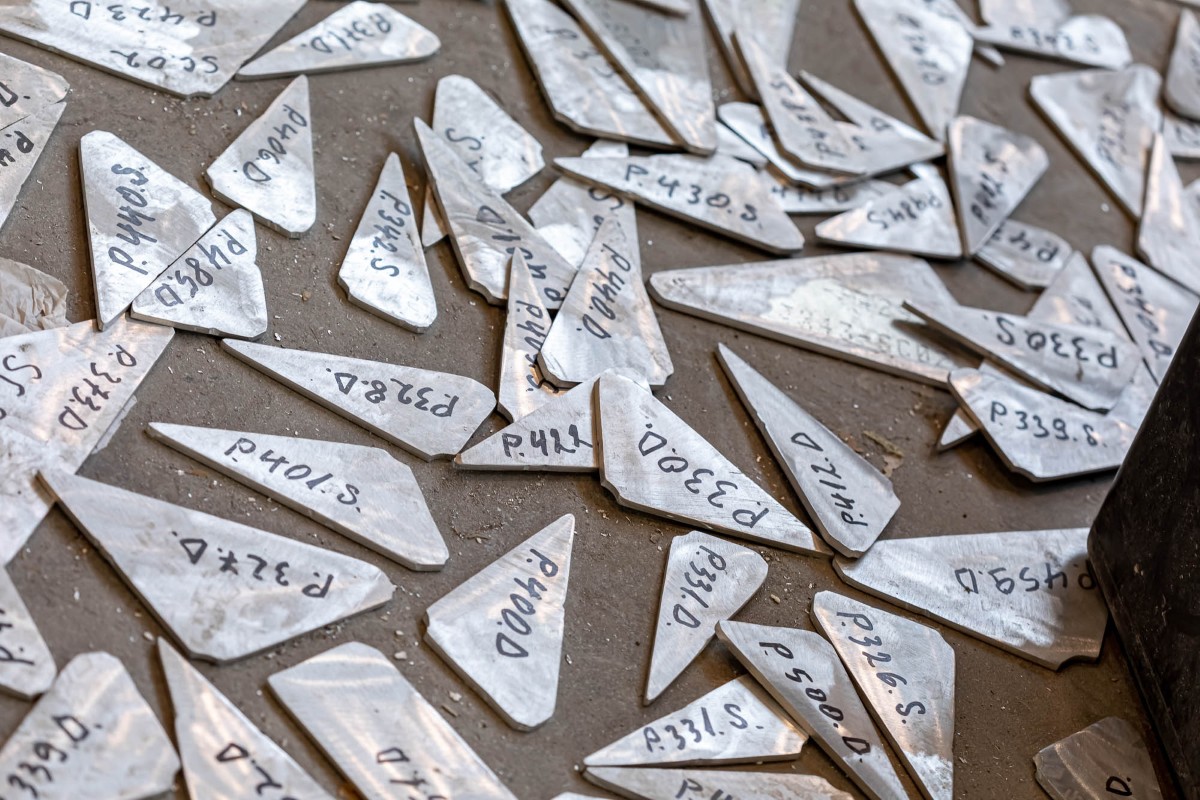
The manufacturing process makes it possible to reduce production waste through careful material management, while removing the need to create plastic moulds for each construction. Aluminium offcuts can be collected and sent for recycling, allowing the material to re-enter industrial processes.
Aluminium is recyclable, and the project documentation indicates a recoverable proportion of more than 90%. At the end of a yacht’s service life, the material can be recovered and returned to production processes, retaining its properties through appropriate recycling procedures.
Weight reduction, together with considered hull and systems design, can contribute to greater efficiency at sea and lower fuel consumption and emissions under certain operating conditions.
Durability, maintainability and recyclability become interconnected aspects of a single design vision, attentive to the balance between performance and the use of resources. An approach that considers the future of yachting through the decisions made today.
SUSTAINABILITY
A choice made with the future in mind
From material to your vision
Every Tuxedo collection provides the starting point for a project shaped by the owner’s decisions and a direct dialogue with the shipyard.
